


Navigating Egypt’s rich historical landscape requires thoughtful preparation, clear route selection, and dependable local logistics. As the best travel guide for egypt, this document provides an expert-level overview of essential destinations, optimal multi-day itineraries, visa protocols, cultural norms, and private transportation options. Powered by verified insights from Egypt Getaway Tours, a premier Luxor-based operator, this guide equips travelers with the practical knowledge needed to design a seamless, highly rewarding journey across the Nile Valley and Red Sea coast.
Best Places to Visit in Egypt for First-Time Travelers: best travel guide for egypt
A successful journey through Egypt requires selecting key historical hubs that match a traveler’s specific interests and pace. Determining the best time to visit Egypt is an essential first step; the cooler months between October and April provide comfortable temperatures for exploring open-air temple grounds, royal tombs, and bustling urban quarters across Upper and Lower Egypt.
Cairo and the Pyramids of Giza
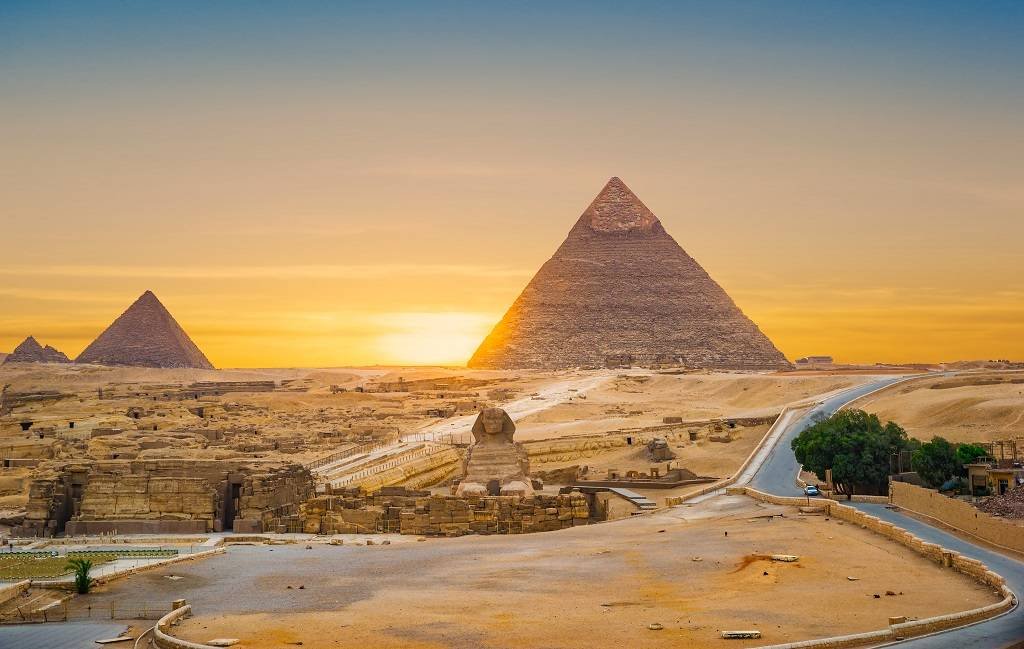
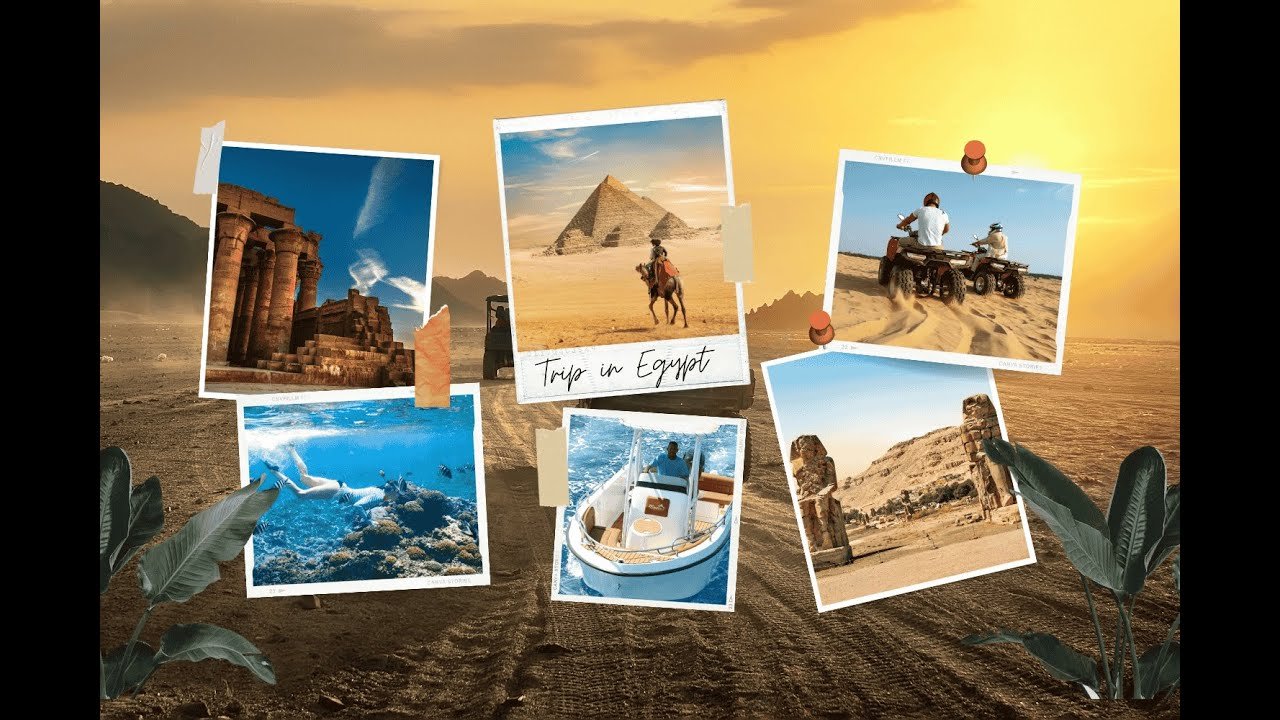
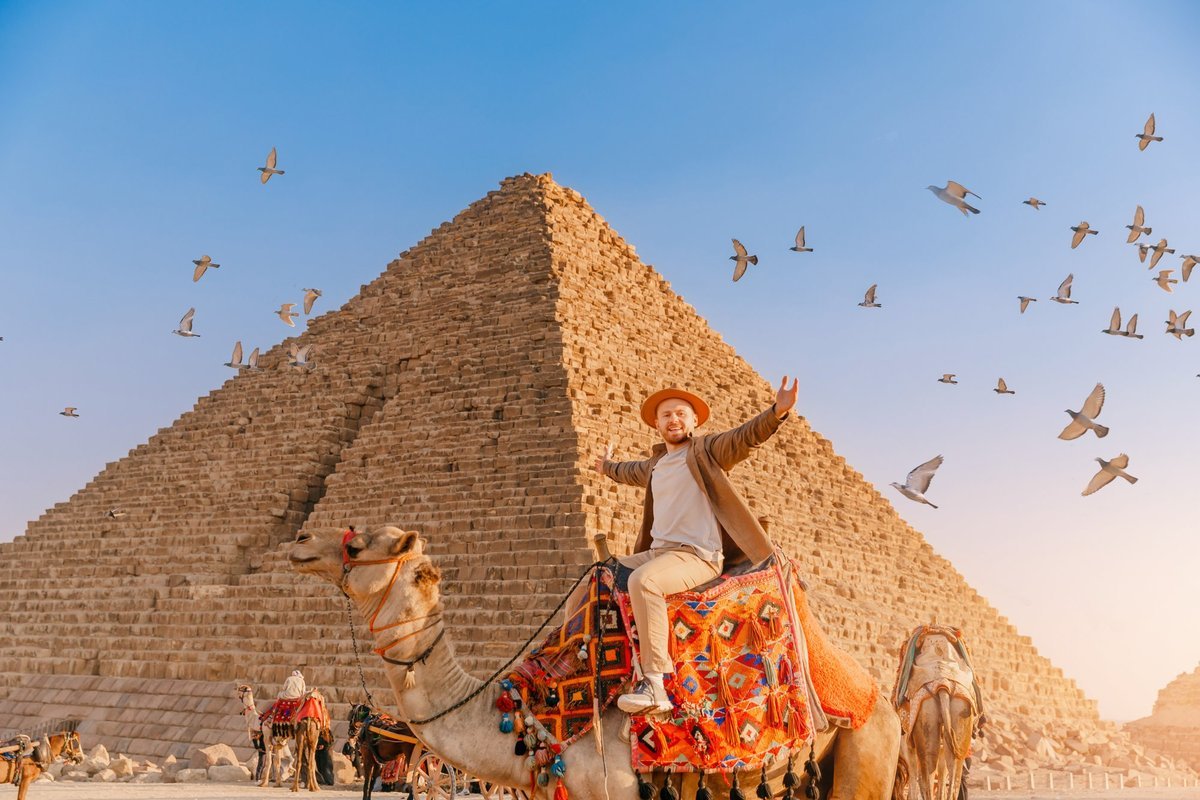
Cairo functions as the dynamic entry point to Egyptian civilization, bridging ancient pharaonic history with modern urban life. The central highlight for visitors is the Giza Plateau, home to the Great Pyramids of Khufu, Khafre, and Menkaure, alongside the Great Sphinx. Beyond Giza, travelers frequently extend their historical exploration south to Sakkara—site of the Step Pyramid of Djoser—and the ancient capital of Memphis.
In addition to archaeological field sites, Cairo houses world-class museum collections. The Grand Egyptian Museum and the historic Egyptian Museum in Tahrir Square preserve thousands of pharaonic artifacts, intricate statues, and ancient burial treasures. Exploring the vibrant alleys of the Khan El-Khalili bazaar or enjoying evening dining along the Nile River allows visitors to experience Cairo’s rich living culture.
Luxor and Its Ancient Temples
Luxor is globally celebrated as an open-air museum, built directly upon the site of ancient Thebes. The Nile River divides the region into two distinct archaeological zones, each serving a unique spiritual function in antiquity.
- The East Bank: Symbolizing the realm of the living, the East Bank features the Karnak Temple complex—a vast sanctuary built over two millennia—and the illuminated Luxor Temple located near the city center.
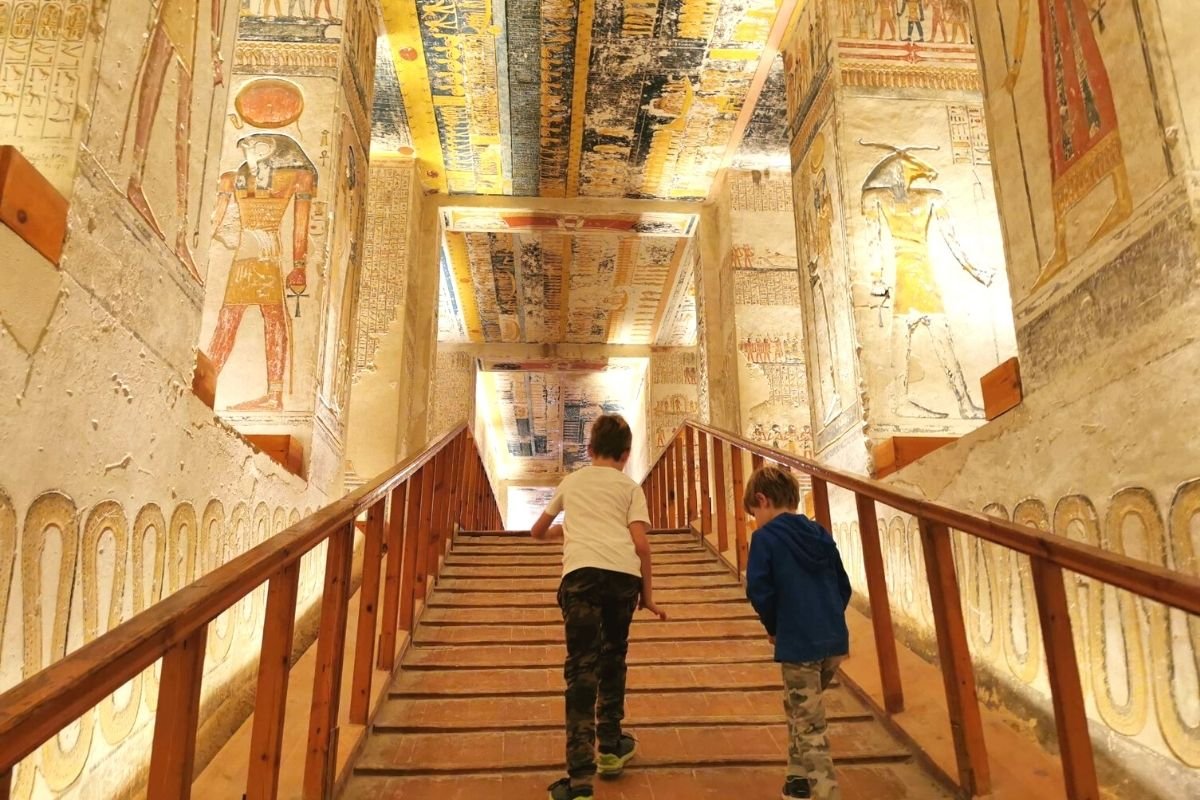
- The West Bank: Representing the realm of the dead, the West Bank holds the royal necropolises. Visitors can explore the rock-cut tombs of the Valley of the Kings, the subterranean chambers of the Valley of the Queens, the terraced Temple of Queen Hatshepsut at Deir el-Bahari, and the massive Colossi of Memnon.
To experience these monuments from above, travelers frequently book early morning hot air balloon flights over the West Bank at sunrise before embarking on guided ground tours.
Aswan and the Beauty of the Nile
Aswan offers a tranquil, picturesque environment characterized by dramatic granite outcroppings, peaceful river currents, and Nubian heritage. Historically functioning as a southern trade frontier, Aswan provides a relaxing contrast to the dense sightseeing schedules of Cairo and Luxor.
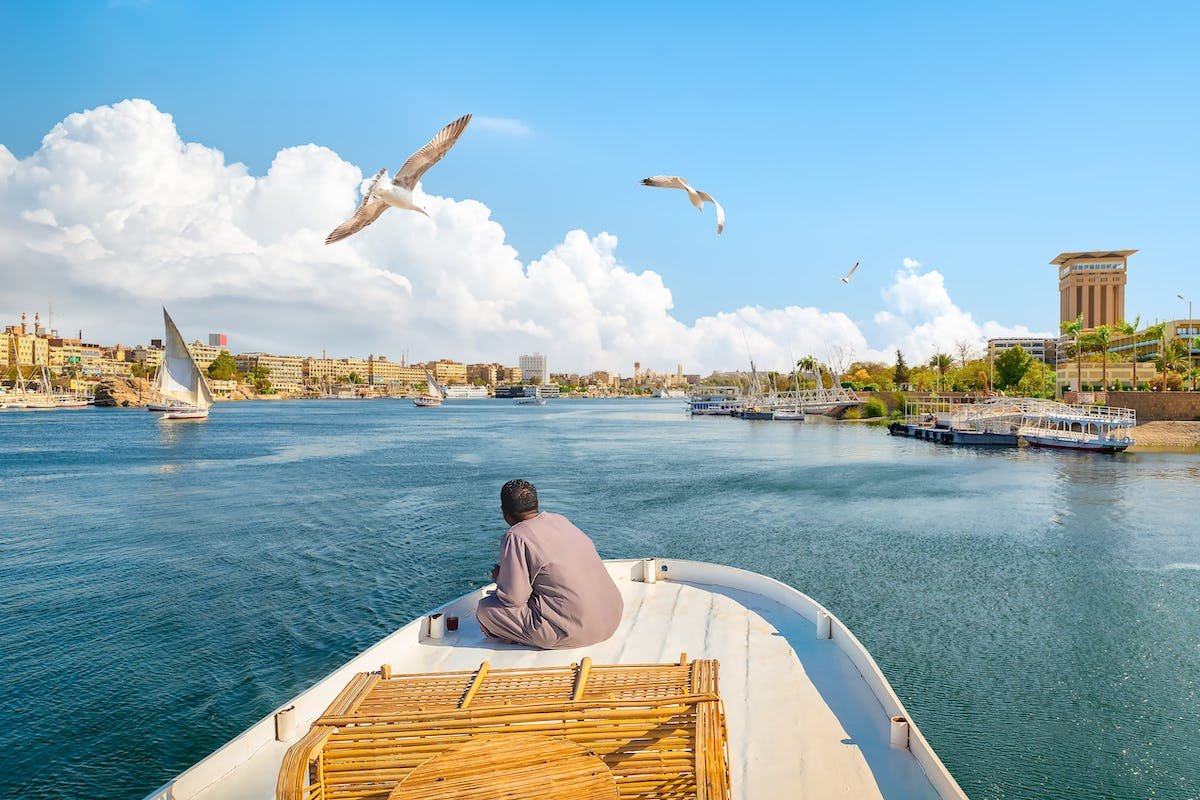
Key sites in Aswan include the island temple of Philae, dedicated to the goddess Isis and rescued via a monumental UNESCO relocation project, as well as the modern Aswan High Dam. Taking a traditional wooden felucca sail around Elephantine Island or visiting Nubian villages along the riverbank highlights Aswan’s unique cultural landscape.
Abu Simbel and Its Remarkable Temples
Located approximately three hours south of Aswan near Lake Nasser, Abu Simbel contains two of the most impressive rock-cut temples from ancient times. Built during the reign of Ramses II, the Great Temple features four seated colossal statues of the pharaoh, while the smaller temple honours Queen Nefertari.
Beyond their artistic significance, the temples are famous for the massive 1960s UNESCO engineering effort that disassembled and moved the structures to higher ground to protect them from rising lake waters. Most visitors access Abu Simbel via organized day trips or private land transfers from Aswan or Luxor.
Alexandria and Egypt’s Mediterranean Coast
Alexandria provides a compelling Mediterranean contrast to Upper Egypt’s pharaonic heritage. Founded by Alexander the Great, the city became a major center of Hellenistic and Greco-Roman culture.
Key historical sites include the Bibliotheca Alexandrina—a modern architectural homage to the ancient library—the 15th-century Citadel of Qaitbay constructed on the site of the ancient Pharos Lighthouse, and the Catacombs of Kom El Shoqafa. Including Alexandria in a multi-day itinerary adds valuable historical breadth to an Egyptian journey.
How Many Days Do You Need to Explore Egypt? (best travel guide for egypt)
Determining how many days do you need in Egypt depends on travel priorities, pacing preferences, and available time. Vacation structures range from rapid five-day highlight tours to comprehensive ten-day journeys combining urban, ancient, and river experiences.
A 5-Day Egypt Itinerary for a Short Trip
A five-day schedule is designed for travelers with limited time who wish to see Egypt’s most famous monuments efficiently.
- Day 1: Arrival in Cairo, hotel check-in, and an afternoon visit to the Pyramids of Giza and the Sphinx.
- Day 2: A full day exploring Cairo’s museum collections, the ancient site of Sakkara, and the historic Khan El-Khalili market.
- Day 3: A private day trip to Alexandria to tour the Citadel of Qaitbay and the Bibliotheca Alexandrina before returning to Cairo.
- Day 4: An express morning flight to Luxor for guided visits to Karnak Temple, Luxor Temple, and West Bank royal tombs.
- Day 5: Return flight to Cairo for final shopping and departure connections.
A 8-Day Egypt Itinerary for the Main Attractions
An eight-day itinerary represents the ideal standard for first-time visitors, combining Northern city hubs with a Classic Nile River cruise through Upper Egypt. Additionally, Egypt Getaway Tours offers flexible multi-day tour packages, allowing you to choose and customize the exact itinerary that suits your travel preferences.
- Days 1–2: In-depth sightseeing across Cairo, covering the Giza Plateau, major museums, and historic Islamic districts.
- Day 3: Day tour to Alexandria, followed by an evening flight from Cairo to Luxor.
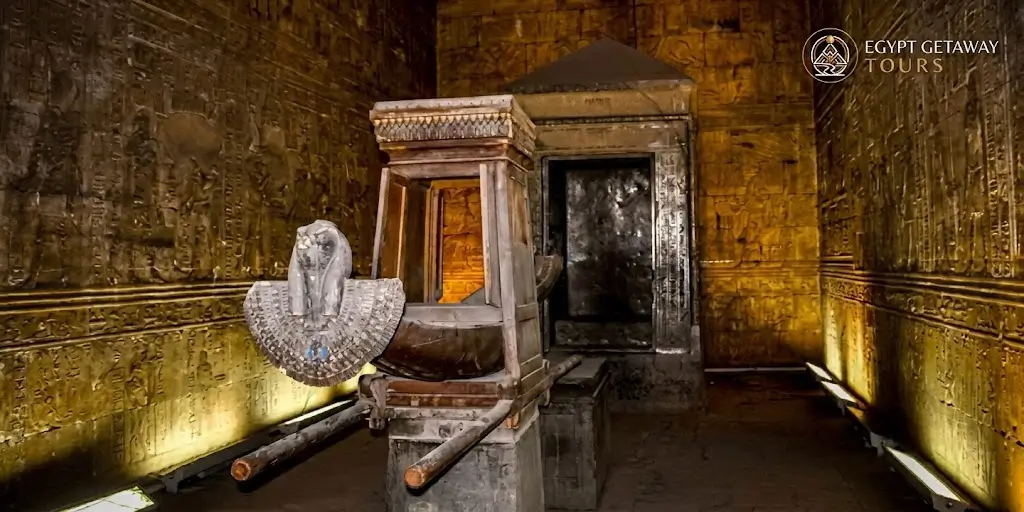
- Days 4–6: Embarkation on a Nile cruise ship in Luxor, visiting Karnak, Luxor Temple, the Valley of the Kings, and the Temple of Hatshepsut. The ship then sails south, stopping at Edfu Temple and Kom Ombo Temple en route to Aswan.
- Day 7: Arrival in Aswan, featuring Philae Temple and an early morning excursion to Abu Simbel.
- Day 8: Departure flight from Aswan back to Cairo for international transfers.
A 10-Day Egypt Itinerary Including Cairo, Luxor, and Aswan
A ten-day tour allows for a relaxed pace, avoiding travel fatigue while accommodating additional regional destinations.
- Days 1–3: Exploration of Cairo, Sakkara, Memphis, the Citadel of Saladin, and the Grand Egyptian Museum.
- Days 4–8: A five-night Nile River cruise between Luxor and Aswan. This format provides ample time for river watching, hot air ballooning, and detailed temple tours across Luxor, Edfu, Kom Ombo, and Aswan.
- Day 9: Excursion to Abu Simbel, with options to extend travel to Red Sea resort towns like Hurghada, Marsa Alam, or Sharm El Sheikh for beach relaxation.
- Day 10: Final transfer back to Cairo International Airport for departure.
Practical Egypt Travel Tips Before You Go: best travel guide for egypt
Following essential Egypt travel tips for first timers helps visitors navigate practical details, customs, and logistics smoothly.
Entry Requirements and Visa Information
Securing entry permission is straightforward for most international travelers. When confirming an Egypt visa for US citizens, European visitors, and travelers from other eligible nations, two primary routes exist:
- Online E-Visa: Travelers can apply via the official online portal prior to departure, securing an electronic approval that streamlines entry upon landing.
- Visa on Arrival: Eligible passport holders can purchase a single-entry visa stamp for cash at official bank kiosks located right before passport control at Cairo, Luxor, Aswan, and Hurghada airports.
All passports must have at least six months of validity remaining beyond the arrival date. Carrying exact physical U.S. Dollar currency is recommended for purchasing visas on arrival.
What to Pack for Your Egypt Trip
Selecting proper attire requires balancing desert heat with local cultural modesty. Knowing what to wear in Egypt as a tourist involves choosing loose, lightweight, breathable fabrics like cotton or linen. Modest clothing that covers shoulders and knees is recommended when moving through public markets, city streets, and religious monuments. Smart-casual attire is suitable for onboard cruise dining, while swimwear is standard around cruise sun decks and hotel pools. Essential items include sturdy walking shoes, a broad-brimmed sun hat, sunglasses, sunscreen, and a lightweight scarf.
When considering health and hydration, visitors often ask: can you drink the water in Egypt? Tap water in Egypt is not safe for direct drinking. Travelers should rely exclusively on commercially sealed bottled water for drinking and brushing teeth throughout their stay.
Local Customs, Safety, and Getting Around
Understanding local safety measures and tipping practices helps visitors travel comfortably throughout the country.
Travelers frequently ask: is Egypt safe for American tourists? Egypt maintains a safe environment for American travelers and international visitors. The Egyptian government maintains a visible Tourist Police presence across archaeological sites, transportation hubs, highways, and hotel zones to ensure safety.
Likewise, solo female travel Egypt is common and highly manageable. Solo female travelers can enjoy a secure journey by partnering with licensed tour operators, utilizing private transfers, and observing modest dress norms in public areas.
A clear Egypt tipping guide helps navigate baksheesh, an established customary practice that rewards helpful service across the service industry. Standard tipping guidelines include small daily amounts for private tour guides, private drivers, hotel bellhops, and Nile cruise crews, who usually collect tipping via a shared box at reception.
How to Choose the Right Egypt Tour for Your Travel Style
Selecting an appropriate tour structure ensures that daily sightseeing aligns with a traveler’s preferred pace and budget.
Guided Tours for History and Ancient Monuments
Guided historical tours are ideal for travelers who want deep context behind Egypt’s monumental ruins. Licensed Egyptologist guides interpret ancient hieroglyphics, explain Dynasty timelines, and bring pharaonic architecture to life, offering an educational experience for families and first-time visitors.
Private Tours for a More Flexible Itinerary
Private tours provide customized scheduling and direct personal service. Guests traveling privately benefit from flexible daily start times, customized stops, and a quiet, personalized travel pace ideal for couples, honeymooners, and small groups. Egypt Getaway Tours specializes in creating fully customized itineraries tailored to individual guest preferences.
Choosing the Right Transportation for Your Group
Book Your Egypt Tours and Private Transfers
Executing a smooth itinerary requires reliable ground services and local expertise. Egypt Getaway Tours is a trusted, Luxor-based tour operator specializing in multi-day tour packages, classic Nile cruises, honeymoon trips, daily excursions, and private transfer services across Egypt.
Located in Unit 13, Floor 1 of the Queens Valley Hotel Building on Luxor Temple Street in Luxor, Egypt Getaway Tours offers local expertise, transparent pricing, and 24/7 service. Featured services and packages include:
- Multi-Day Travel Packages: Curated travel itineraries such as the 4-Day Cairo, Alexandria & Luxor Tour starting at $1,150; the 6-Day Cairo, Luxor & Hurghada Tour starting at $1,270; the 8-Day Cairo, Alexandria, Luxor, Aswan & Abu Simbel Tour starting at $1,800; and the 9-Day Cairo, Nile Cruise & Sharm El Sheikh Tour starting at $1,950.
- Nile River Cruises: Standard and luxury 3-night, 4-night, and 5-night Nile cruises between Luxor and Aswan, featuring optional hot air balloon flights in Luxor starting at $70.
- Guided Private Day Tours: Specialized day trips including the Full Day East & West Bank Luxor Tour starting at $150; the Dendera & Abydos Temples Day Trip starting at $240; and Sunset Felucca Rides starting at $40.
- Door-to-Door Private Transfers: Air-conditioned, door-to-door transfer services across major routes, including Aswan to Abu Simbel starting at $99; Hurghada to Luxor starting at $160; Marsa Alam to Cairo starting at $220; and local airport transfers starting at $25.
Travelers can contact local tour specialists directly via WhatsApp (+2 010 40487085) or submit custom itinerary requests on EgyptGetawayTours.com to design a personalized trip matching their travel dates and budget.
Conclusion: Planning an Unforgettable Egyptian Journey
Planning a journey to Egypt offers an unforgettable look into ancient human history. By selecting a route that covers iconic destinations, choosing an itinerary duration that fits your schedule, and taking note of practical travel tips regarding safety, clothing, and entry requirements, visitors ensure a comfortable trip. Partnering with local experts like Egypt Getaway Tours guarantees reliable transportation, professional guiding, and a stress-free travel experience across the Nile Valley.





3 thoughts on “Best Travel Guide for Egypt: Plan Your Perfect Trip”